.svg)



Blood in the urine can be easy to dismiss when it appears once, causes no pain and then disappears. Yet it is the most common symptom of bladder cancer and should always be assessed. Changes in urinary frequency or new pelvic discomfort may also be symptoms of bladder cancer, although several urinary conditions can cause the same concerns. In any case, whether it be blood in the urine, changes in urinary frequency, or new pelvic pain, a healthcare provider should be informed to identify the underlying cause of these changes (Bladder Cancer Canada, n.d.).
Most bladder cancers begin when cells in the bladder’s inner lining reproduce abnormally (Public Health Agency of Canada, 2020). This is known as urothelial bladder cancer. As the malignant cells replicate and the cancer develops, a tumour may eventually form within the bladder wall. Symptoms alone are not sufficient to make a bladder cancer diagnosis, nor do they indicate how far the disease has progressed. Still, they may provide an important warning sign to seek medical attention.
Visible hematuria, also called gross hematuria, can make urine appear pink, red, orange or brown. Microscopic hematuria is different because the amount of blood is too small to see with the naked eye, but blood can be detected on urinalysis.
A bladder tumour often causes painless blood in the urine, and the bleeding may disappear for days or weeks before returning. Many patients delay seeking care once their urine looks normal again. Even a single visible episode remains a valid indication for medical attention.
Several urinary conditions can produce similar bleeding. These include bladder infections and bladder stones, as well as kidney stones. Initial investigation allows the physician to potentially locate the source and determine if further testing is appropriate.
Bladder irritation caused by a tumour can change a person’s usual urinary habits. Frequent urination or sudden urgency may develop, while certain patients experience pain or burning when passing urine. Trouble urinating and a lingering sensation of incomplete emptying are also possible.
A urinary infection may cause the same changes. Stress urinary incontinence, overactive bladder, and prostatic hyperplasia may also affect a person's urinary habits as well. Assessment becomes important when testing finds no infection, symptoms continue after treatment for incontinence or the problem keeps returning. A doctor may also review current medications when investigating the cause.
Other bladder cancer symptoms may develop as the disease advances. These can include pelvic discomfort or persistent abdominal pain. Reduced appetite, unexplained weight loss and ongoing fatigue may also occur. Cancer that has spread can reach the lymph nodes or bones and may eventually affect other organs.
These signs and symptoms are associated with several health conditions. A clinical assessment and appropriate testing are required before a bladder cancer diagnosis can be made.
You should see a urologist after any episode of visible blood in your urine, even if it is painless, happens once or stops on its own. An assessment is also appropriate for unexplained increased urinary frequency, persistent urgency or recurring discomfort when urinating.
The early symptoms of bladder cancer may involve only mild urinary changes, and people in the early stages may otherwise feel well. Prompt assessment may facilitate early detection and can expand the available treatment options if cancer is found as early as possible (Bladder Cancer Canada, n.d.).
At our Montreal urology clinic, we begin by discussing the symptoms, when they started and how they have changed. We also review the patient’s medical history and relevant risk factors. Age, exposure to cigarette smoke and previous medical treatments can help guide the investigation.
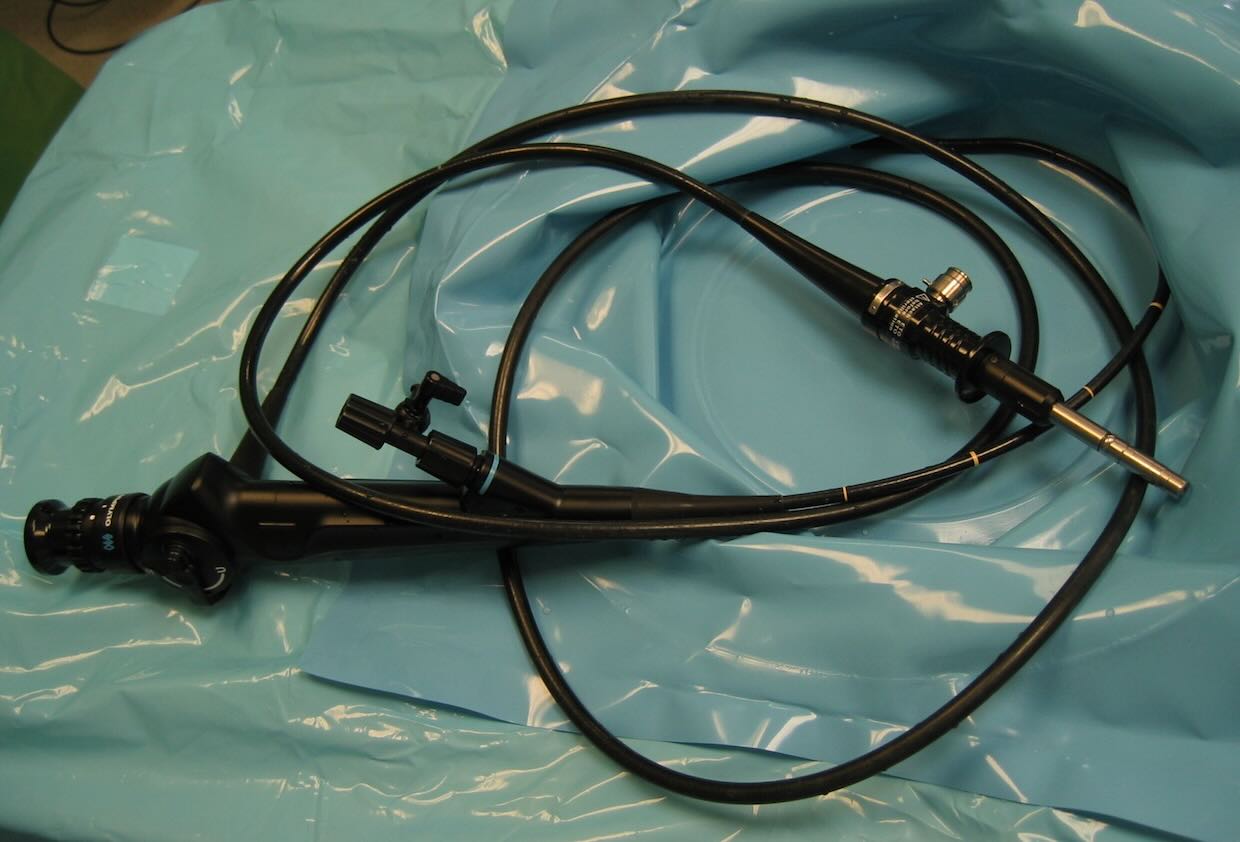
Initial testing may include urinalysis to detect blood or signs of infection. Urine cytology can then examine a urine sample for cancerous cells shed from the bladder lining. When a closer examination is required, cystoscopy allows the urologist to view the inside of the bladder using a thin scope passed through the urethra.
Imaging tests can provide additional information about the bladder and upper urinary tract, including the kidneys and ureters. The clinical findings may support the use of a CT urogram or magnetic resonance imaging. A CT scan produces detailed images of the urinary tract, while an MRI may be appropriate in specific circumstances.
If an abnormal growth is found, tissue analysis can be used to determine the type of malignant transformation involved and to indicate how deeply the cancer has invaded. Our information about bladder tumour assessment and treatment explains how the results can shape a treatment plan and when surgery may be considered.
Urinary bleeding is usually noncancerous in origin; however, it is still important to identify the cause of the bleeding. Its source still needs to be identified. Prompt investigation gives each patient clearer information about the concern and the care that may be required.
If you have noticed any bladder cancer signs, contact Uro Westmount to request a private urological consultation in Montreal. We will assess your symptoms and explain the next steps based on the findings.
Bladder Cancer Canada. (n.d.). Bladder cancer symptoms and diagnosis. https://bladdercancercanada.org/en/bladder-cancer/bladder-cancer-symptoms-and-diagnosis/
Public Health Agency of Canada. (2020, November). Bladder cancer in Canada. Government of Canada. https://www.canada.ca/en/public-health/services/publications/diseases-conditions/bladder-cancer-canada.html
.svg)



![An image of a surgeon hard at work]](https://cdn.prod.website-files.com/67483f1fcd01f8280706faf1/69c44b40096c867f9f8c075d_an-image-of-a-surgeon-hard-at-work.jpeg)






.svg)
.svg)
.svg)