.svg)


Percutaneous nephrolithotomy (PCNL) is a minimally invasive urological procedure used to remove kidney stones.
Persistent kidney stones can be debilitating in many ways, and patients often describe cycles of pain and repeated procedures that never quite solve the problem. In these situations, PCNL has become one of the central procedures in modern urology, offering a minimally invasive way to manage stones that are too large or too complex (typically < 2cm or staghorn stones) for other methods (Calarco & Viscuso, 2025).
At Uro Westmount, our focus is on providing patients with access to advanced surgical options like PCNL, through a less invasive approach with significantly lower morbidity and faster recovery than open surgery.
Through PCNL kidney stones can be removed through a small incision in the back. A tract is created directly into the kidney so that specialized instruments can break down and remove large stones that would otherwise remain lodged in the urinary system.
Unlike older open surgeries, PCNL avoids a large abdominal incision, making it an effective yet far less invasive option. Stone-free rates vary but tend to fall between 75% and 98% when performed in properly selected cases (Cleveland Clinic, 2025).
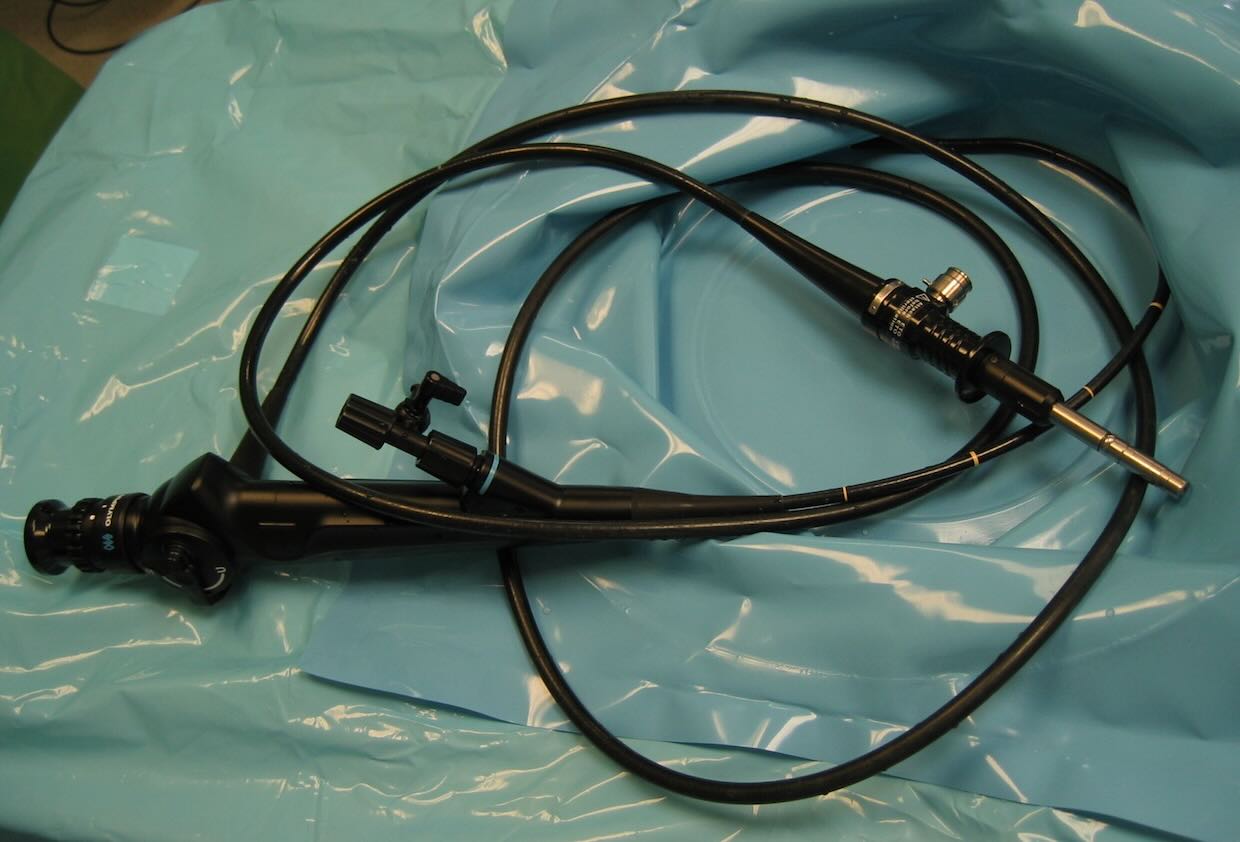
During PCNL, we guide our instruments with real-time X-ray or ultrasound imaging, and after creating a small incision, we establish a tract into the kidney and insert a nephroscope. Through this channel, instruments are used to break the stone into pieces, which are then removed.
The precision of imaging allows us to minimize trauma to surrounding tissues while addressing large stones that would not pass on their own. This precise approach allows for direct removal of most fragments rather than relying solely on spontaneous passage.
The primary benefit of PCNL is the high likelihood of becoming stone-free, even with larger or more complex stones, and compared to open surgery, the incision is smaller, recovery is faster, and pain levels are reduced. For patients who have endured repeated colic episodes or recurrent infections caused by kidney stones, a definitive treatment can make a meaningful difference.
Every surgery carries some risk. Bleeding is the most common concern after PCNL, but major bleeding that requires an additional procedure occurs in less than 1% of cases (El Tayeb et al., 2015). Other possible risks include infection, injury to the kidney or surrounding structures, and complications related to anesthesia. Despite being minimally invasive, PCNL is still a surgical procedure requiring careful postoperative monitoring.
Most patients remain in the hospital for one or two days following PCNL depending on bleeding, tube placement, or comorbidities, and a temporary nephrostomy tube or internal stent may be placed to keep urine flowing freely as the kidney heals. Discomfort is expected in the early days, but pain is generally less intense than after open surgery. Return to normal activities takes place within weeks rather than months. We review activity restrictions, hydration goals, and follow-up imaging at discharge. This step is extremely important, as monitoring helps us find and address residual fragments or new stone formation early.
PCNL is usually recommended for stones larger than two centimeters, those that have formed staghorn shapes filling multiple branches of the kidney, or proximal ureteral stones refractory to other treatments. Patients who have already tried shock wave lithotripsy or ureteroscopy without success may also be candidates. Deciding when to proceed with PCNL is a matter of clinical judgment, but every stone is different, and each patient’s overall health, anatomy, and prior surgical history must be weighed carefully.
PCNL is not the only way to treat kidney stones. For smaller stones, shock wave lithotripsy or ureteroscopy may be more appropriate, and in select cases, medical therapy can help prevent growth or promote stone passage. Each option has its place. Flexible ureteroscopy is increasingly used for stones up to 2 cm depending on anatomy.
At our urology clinic in Montreal, the decision is individualized. We see patients referred for PCNL who ultimately receive another treatment, just as we see patients who initially attempt other methods and later come to us for this procedure. For those exploring their options, our urolithiasis page offers further information on how different therapies compare.
For large or complex kidney stones, PCNL provides a safe and highly effective surgical solution.
At Uro Westmount, our practice is dedicated to providing support and advanced surgical care for patients living with urologic conditions. If you are dealing with kidney stones and want to learn more about surgical options, contact us. We are here to evaluate your situation, explain your choices, and help you move forward with confidence.
.svg)



![An image of a surgeon hard at work]](https://cdn.prod.website-files.com/67483f1fcd01f8280706faf1/69c44b40096c867f9f8c075d_an-image-of-a-surgeon-hard-at-work.jpeg)




.svg)
.svg)
.svg)