.svg)
![An image of a surgeon hard at work]](https://cdn.prod.website-files.com/67483f1fcd01f8280706faf1/69c44b40096c867f9f8c075d_an-image-of-a-surgeon-hard-at-work.jpeg)


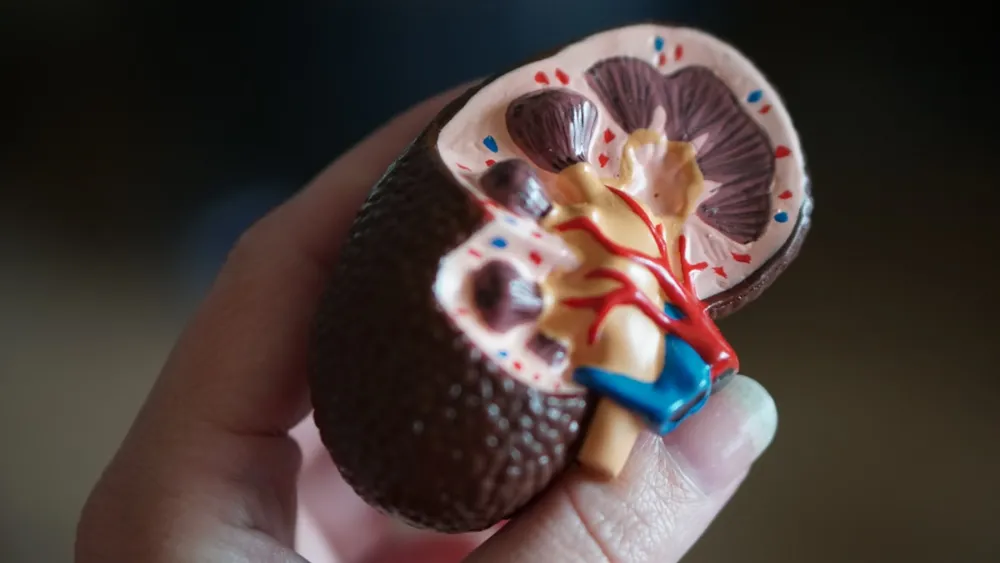
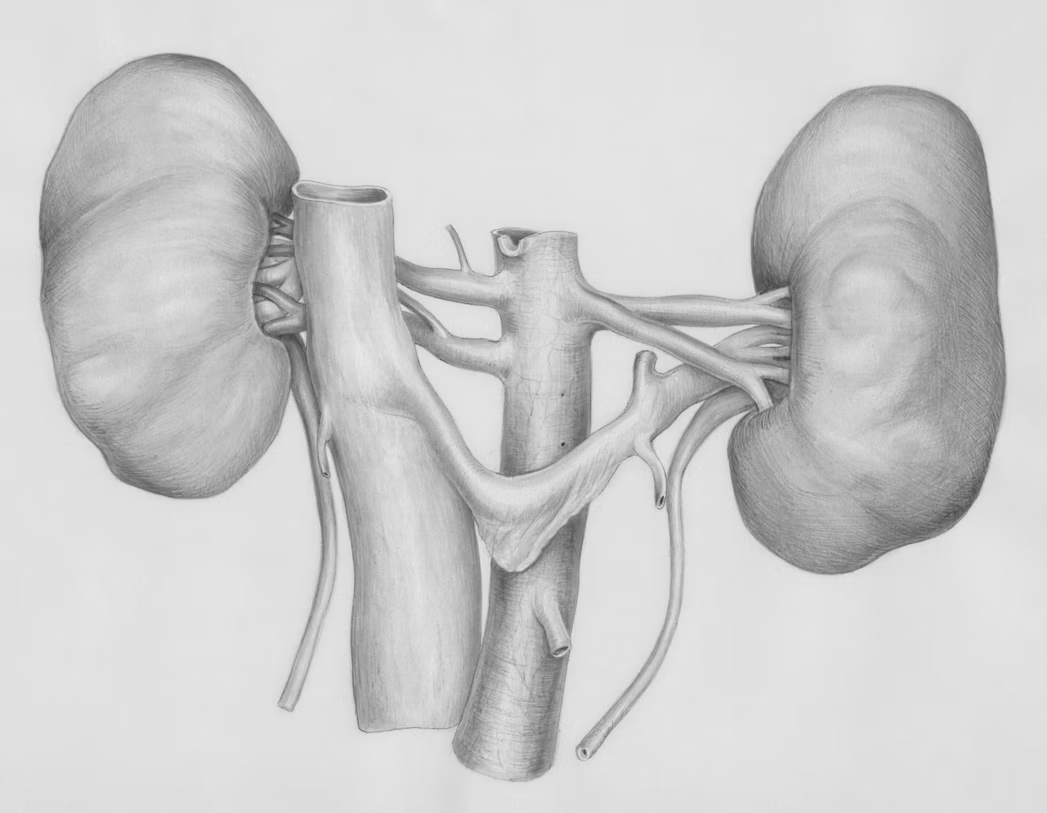
At our urology clinic in Montreal, questions about kidney health are a routine part of daily practice. The kidneys sit at the back of your abdomen, below your rib cage. They are at the top of the urinary system and drain urine into the bladder through the ureters. As such, when something affects your kidneys it can easily cause problems lower down in the urinary tract. Because of this interdependence, many kidney conditions are addressed within urology. As Canada’s population ages, the number of patients presenting with kidney stones or cancers has grown significantly (Shore et al., 2025).
For many people, these issues can be the reason behind a first consultation with a urologist. The following explains what urology covers and outlines the specific ways specialized care can protect kidney function.
Urology is a surgical field dedicated to the urinary system, which includes your kidneys which filter blood to produce urine. When kidneys can no longer filter blood and produce urine effectively, the problem often falls under urology.
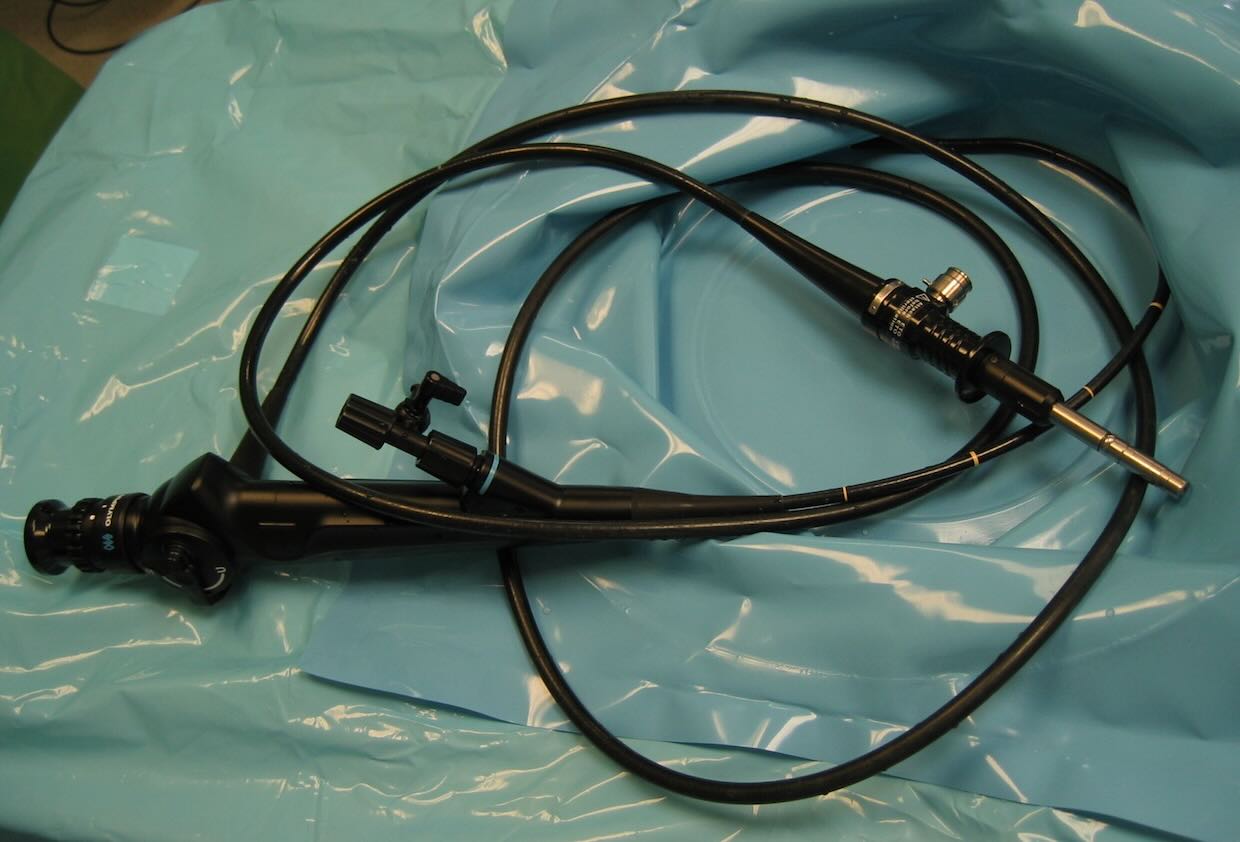
Patients may come in with blood in the urine (also known as hematuria), repeated urinary tract infections, or blockages in the urinary tract caused by stones or tumors. There are several ways to investigate these issues, including imaging tests such as ultrasound or CT scans, along with urine cultures and analysis and, when needed, blood tests. In some cases, procedures like cystoscopy can be done in order to provide a closer look inside the urinary tract. Treatment depends on the reason behind the urinary tract problems and can range from medication and minimally invasive procedures to surgery.
Some kidney conditions cannot be successfully managed with medication, and surgery becomes necessary. An obstruction that prevents urine from draining sets the stage for infection and, over time, untreated obstruction and infection can cause permanent damage to the kidneys.
Tumors present a different challenge. In certain cases, only the diseased portion of the kidney can be removed, while in others, more extensive surgery is required.
Kidney stones are a more common problem. Kidney stones are composed of waste minerals found in the urine, most often calcium oxalate. Kidney stones cause pain when they get lodged in the ureters and prevent the flow of urine. Depending on the size and location of the stone, some kidney stones can be passed on their own, yet many remain stuck, causing pain and sometimes infection
In these cases, minimally invasive procedures, such as ureteroscopy, allow us to clear the blockage and protect kidney function without causing any surgical cuts to remove the stone
These interventions are a core part of what we do at our urology clinic in Montreal.
Kidney, ureter, and bladder cancers are managed in urology with renal cell carcinoma as a common example that is often treated with partial or radical nephrectomy. Early detection improves outcomes, but these cancers can be aggressive and require close coordination with your primary care doctor and other specialists.
Modern research explores different approaches to management,which can include gene therapy and biomarker development, to better target treatment for urological cancers (Li et al., 2023).
Kidney stones are one of the leading reasons patients visit a urologist as they can cause severe pain or permanent damage if untreated. While smaller stones may pass without intervention, larger ones often need treatment to remove or break down stones. Other than expectant management, minimally invasive surgery is the most common course of action for treatment with open surgery being reserved for more complex cases. The choice of procedure depends on the stone’s size, location, and the overall condition of the patient.
While kidney care is an important part of our services, we provide care for a wide range of urological issues.
Many patients see us for urinary tract issues such as bladder control problems or urinary incontinence, which can have a big impact on daily life. Others come with concerns like blood in the urine, erectile dysfunction, or fertility issues that may be linked to conditions such as varicocele.
Each situation is different, which is why we focus on finding the right treatment options for every patient. By looking at the urinary system as a whole, we’re able to provide complete urological care.
To learn more about our services, you can explore the full range of treatments we provide and review our fees for greater clarity on what to expect. If you still have questions after browsing, our team is available to help. When you’re ready, don’t hesitate to contact us and schedule your consultation.
Li, Y., Zhang, Q., Liu, H., & Chen, J. (2023). Circular RNAs in urological cancers: Mechanisms and clinical implications. Cancer and Metastasis Reviews, 42(1), 155–174. https://link.springer.com/article/10.1007/s10555-023-10152-9
Nature Reviews Nephrology. (2024). Chronic kidney disease and reproductive health. Nature Reviews Nephrology, 20(3), 187–189. https://www.nature.com/articles/s41581-024-00901-6
Shore, N. D., Campbell, S., & Nitti, V. (2025). Urology and the aging population: Trends and challenges. Urologic Clinics of North America, 52(2), 189–201. https://www.sciencedirect.com/article/abs/pii/S0090429525002134
.svg)









.svg)
.svg)
.svg)