.svg)



Eating before a urology appointment depends on the purpose of the visit and the tests scheduled that day. Many consultations involve evaluation and simple diagnostic testing, but there are certain procedures that require preparation steps, provided by your clinic, in advance (Urology Care Foundation, 2020).
At our urology clinic in Montreal, preparation advice is based on the reason for the visit and the tests that may be performed. The sections below explain when eating before an appointment is typically fine, when fasting may be required, and a few practical steps that can help patients prepare for their visit.
Most routine consultations at Uro Westmount do not require fasting. Our urologists can evaluate conditions affecting the urological system, including the urinary tract and the male reproductive system, which commonly begins with clinical assessment and discussion of symptoms (Cleveland Clinic, 2023). The first step during most visits is to review symptoms and medical history so we can understand the reason for the referral and determine whether further testing is needed.
For many patients, the first urology appointment begins with reviewing symptoms, medical history, and any concerns that may have led a primary care physician to refer them to us. This may include symptoms such as painful urination, changes in urination, incontinence, kidney stones, urinary tract infection, problems affecting the prostate, or other conditions that may affect the person seeking care.
During this first appointment, we discuss symptoms such as painful urination, changes in urination, incontinence, or other urologic condition concerns that may affect the person seeking care.
When sedation or anesthesia is not involved, eating beforehand does not interfere with the clinical evaluation we may need to perform during a consultation.
Fasting instructions are linked to procedures that involve anesthesia or sedation. These precautions are standard in procedural medicine and are intended to reduce risks associated with anesthesia.
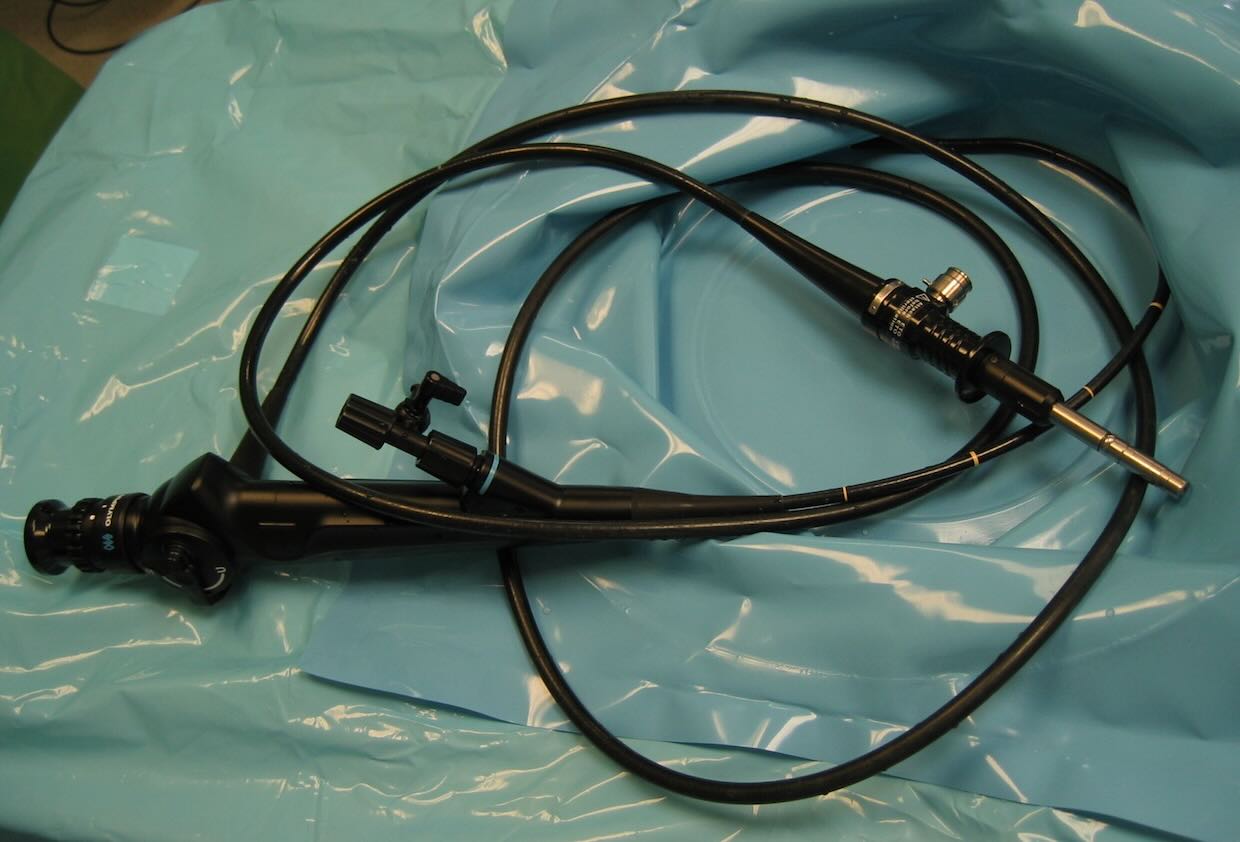
Cystoscopy, for example, allows us to examine the urethra and bladder using a thin camera. When this procedure is performed in a setting that involves sedation or anesthesia, preparation instructions may include avoiding food beforehand, as well as when to drink fluids, when to avoid them, and what should happen before the procedure.
Surgical procedures involving the urinary tract require similar preparation. Patients scheduled for surgery are typically instructed to avoid food for a specific period before anesthesia according to the protocol used by the surgical team. These instructions are important to ensure the procedure can be performed safely.
When procedures are scheduled through our clinic, we inform patients about preparation instructions in advance so they know what to expect and how to prepare.
Most consultations at Uro Westmount require little preparation. Eating beforehand is usually fine unless we give you different instructions for a test or procedure. Before coming to the doctor's office, patients may be asked to read their instructions, fill out any required forms, and arrive a few minutes early, especially when seeing a new doctor.
You should bring your medication list, including prescriptions, over the counter drugs, and supplements, along with prior test results, imaging reports, referral notes, and relevant medical conditions. These details can be helpful because some medications or health issues may have effects on urinary symptoms. Writing down any questions you have can also help you talk with the doctor about symptoms, testing, how to treat the concern, and the next step in your care plan.
For urinary concerns, try to come with a reasonably full bladder, since a urine sample may be needed. Some people may also benefit from tracking symptoms for 24 to 48 hours, including frequency, leakage, urgency, pain, or visible blood in urine. Depending on symptoms, age, and health history, we may recommend a physical exam, digital rectal exam, blood tests, ultrasound, MRI, or a follow up appointment. It is important to be honest, even about symptoms that feel embarrassing or limited, so we can better understand what is normal for you and what may need closer attention (Urology Care Foundation, 2020).
If questions come up before your appointment, our team is available to help. Patients preparing for a consultation or seeking evaluation for urinary concerns can contact us and speak with our specialists about scheduling or preparation guidance.
.svg)


![An image of a surgeon hard at work]](https://cdn.prod.website-files.com/67483f1fcd01f8280706faf1/69c44b40096c867f9f8c075d_an-image-of-a-surgeon-hard-at-work.jpeg)






.svg)
.svg)
.svg)