.svg)



Urological cancer is any cancer in the organs of the urinary tract. It occurs in both men and women. Urological cancers also involve cancers of the male reproductive system such as the prostate, testicles, or penis.
In Canada, cancers of the urinary system remain common and impactful. It is estimated that in 2025, 12,600 Canadians would be diagnosed with bladder cancer, and 2,500 would die from it (Canadian Cancer Society, 2024). For men, one in five cancer diagnoses is prostate cancer, making it by far the leading cancer in men (Statistics Canada, 2024). Urologic cancers affect people of all ages and backgrounds, however, they are more common in older men and women.
These are sobering numbers, but they are also a call to awareness because, when caught in their early stages, most urological cancers are highly treatable.
This article will help you develop a better understanding of what urological cancer is (and isn’t) via a brief overview of types, symptoms, detection, treatment, and prognosis of the more common types of urological cancer.
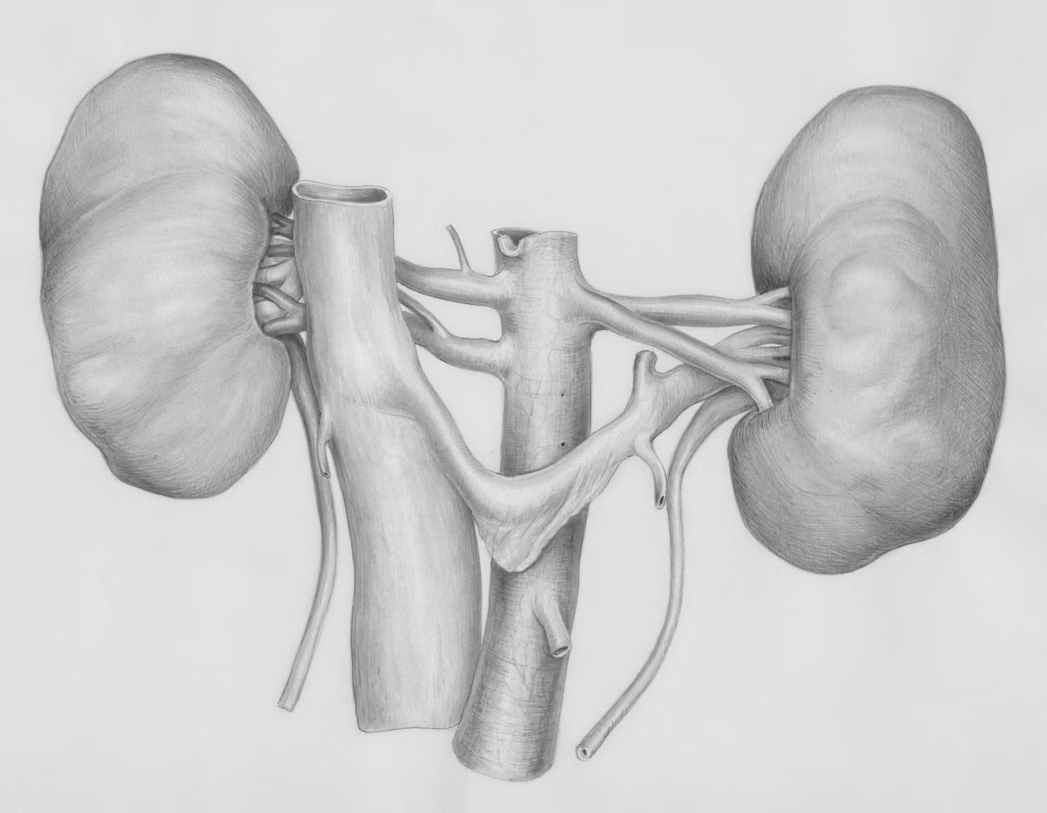
Urologic(al) cancer refers to any malignancy that develops in the organs of the urinary system of both sexes and, in males, includes tissue of the reproductive tract.
These cancers share a common link: they involve the tissues that produce and transport urine, or, in men, involve the organs related to sexual function and fertility.
In women, urological cancers affect the female urinary system, most often the bladder or kidneys. In men, prostate, bladder, and kidney cancers dominate.
Like all cancers, urological cancers begin when abnormal cells multiply uncontrollably to form a mass or single tumor. From there it can remain confined or spread to other tissues.
Many people affected by urological cancer, of one type or another, have no pain or visible symptoms in the early stages.
The most frequently seen urologic cancers include:
Many patients first seek assessment after noticing urinary changes that seem unrelated or mild. Symptoms such as blood in the urine, painful urination, or discomfort in the lower back or sides are sometimes dismissed at first but can be early signs of a problem in the urinary tract. Even a single episode of discoloured urine warrants investigation, as certain urological cancers can develop quietly in their early stages.
In men, a new swelling or a lump in the testicle should always be assessed. For both men and women, persistent changes in urinary frequency, urgency, or control can point to irritation or obstruction within the urinary system.
Because these signs overlap with benign conditions—like benign prostatic hyperplasia or infection—accurate evaluation is key. At Uro Westmount, our specialists use targeted diagnostics to determine whether these symptoms stem from inflammation, infection, or the presence of cancer cells. Early investigation allows for prompt treatment and peace of mind.
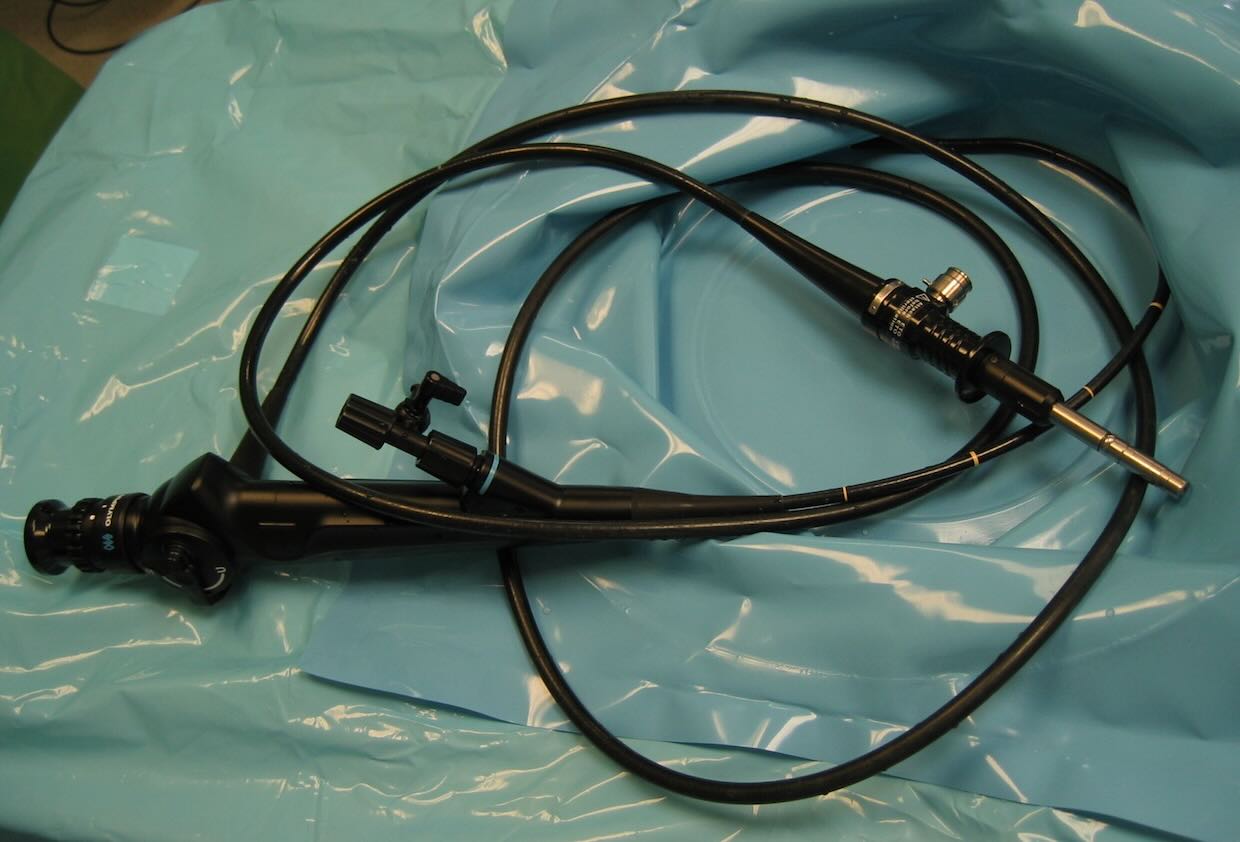
When urological cancer is suspected, diagnosis begins with a detailed consultation and review of medical history, including family history, occupational exposure, and any previous cancer treatment. A physical exam is followed by specialized tests such as:
As a private urology clinic in Montreal, Uro Westmount offers direct access to these investigations, often reducing waiting times for patients seeking answers. Each result is reviewed personally by a urologist, with every step explained in clear, practical terms.
Treatment depends on the type of cancer, its location, and how far it has spread. Modern urologic cancer care aims to remove or destroy cancer while preserving organ function and quality of life. Treatments depend on the tumor’s type and stage:
Surgery: Used to remove localized tumors or, when needed, tissue from affected organs.
Radiation therapy: Targets and destroys remaining cancer cells after tumor excision or as a standalone treatment.
Immunotherapy and targeted drugs: Depending on the molecular profile of the tumor cells, can help the immune system attack cancer more effectively, particularly in bladder and kidney cancers.
Outcomes for most urological cancers have steadily improved in Canada over the past several decades. The five-year net survival rate is approximately 77% for bladder cancer and 73% for kidney and renal pelvis cancers (Canadian Cancer Society, 2024a, 2024b). For early-stage prostate cancer, the five-year net survival rate approaches 100% (Statistics Canada, 2024).
These numbers reflect what’s achievable with timely diagnosis and appropriate management. The earlier a cancer is detected, the greater the likelihood of successful, organ-sparing treatment.
At Uro Westmount, we believe that timely access to specialized care is an essential part of successful treatment. Our private urology clinic in Montreal offers direct consultation with experienced urologists and streamlined access to diagnostic testing and procedures. Every patient is seen by a senior clinician who reviews results personally and explains the next steps with clarity and respect.
We understand how stressful it can be to face uncertainty about a possible diagnosis. That’s why our approach combines thorough investigation with transparent communication—so you always know where things stand and what options are available.
If you’re experiencing urinary changes, discomfort, or symptoms that concern you, we encourage you to contact us to schedule a consultation. Our team will ensure your evaluation is handled promptly, compassionately, and with the highest clinical standards.
.svg)



![An image of a surgeon hard at work]](https://cdn.prod.website-files.com/67483f1fcd01f8280706faf1/69c44b40096c867f9f8c075d_an-image-of-a-surgeon-hard-at-work.jpeg)





.svg)
.svg)
.svg)