.svg)
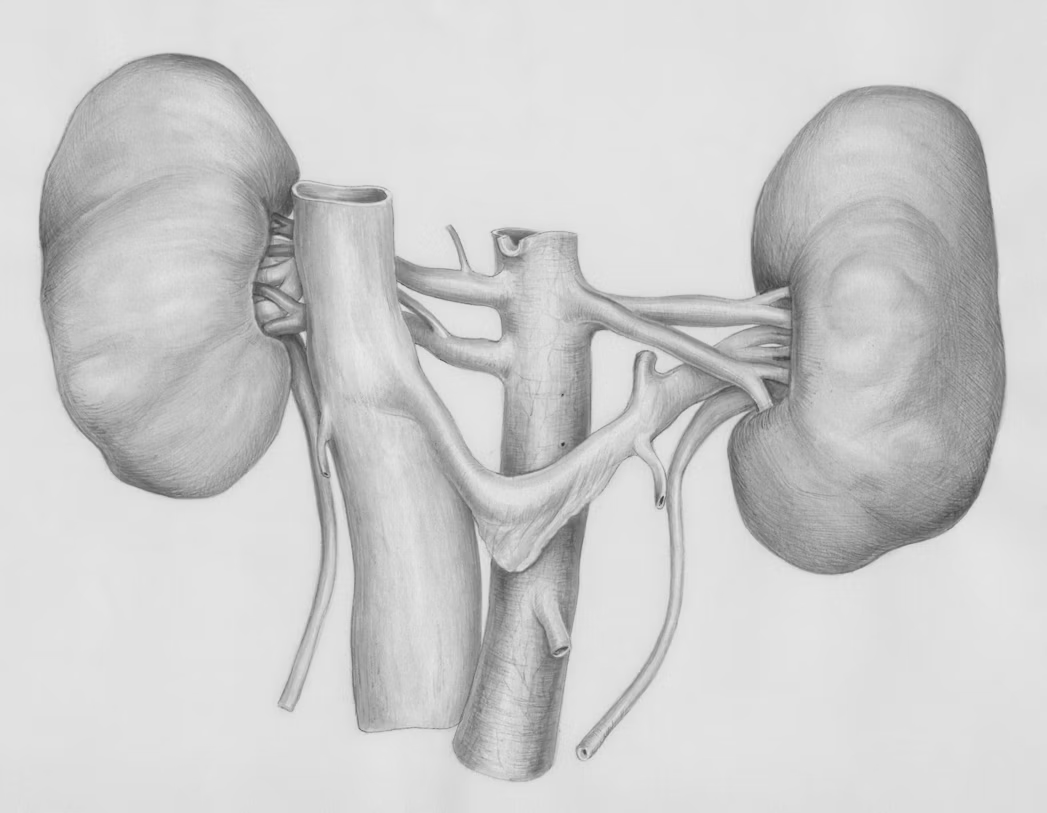


At Uro Westmount, we know there can be some confusion around if urology and nephrology are the same. The question makes sense, as both specialties deal with the kidneys, but the way each specialty evaluates and treats problems is distinct.
As part of our role in providing care at a urology clinic in Montreal, it’s important that people understand where nephrologists or urologists step in and take the lead, and when patients may see both.
The Canadian Urological Association has emphasized the importance of strong advocacy for the specialty across Canada, and that work highlights why patients benefit from clear guidance on what each discipline actually covers (Canadian Urological Association, 2024). The article below underscores why patients deserve clarity in understanding what each field covers, and explains those differences.
Urology is a surgical specialty that focuses on the urinary tract and organs of the male reproductive system. That includes the kidneys, ureters, bladder, urethra, prostate, and testes. In practice, we evaluate and operate when there is a structural or mechanical problem in those systems.
Nephrology is not surgical, so instead nephrologists work on medical management of kidney function and disease. They don’t remove kidney stones or treat prostate enlargement, as these issues fall under urology because they require procedural or surgical management.
It is worth noting that around approximately 15% of initial physician consultations involve a urologic concern, underscoring just how central our specialty is to day-to-day medicine (Wein et al., 2021).
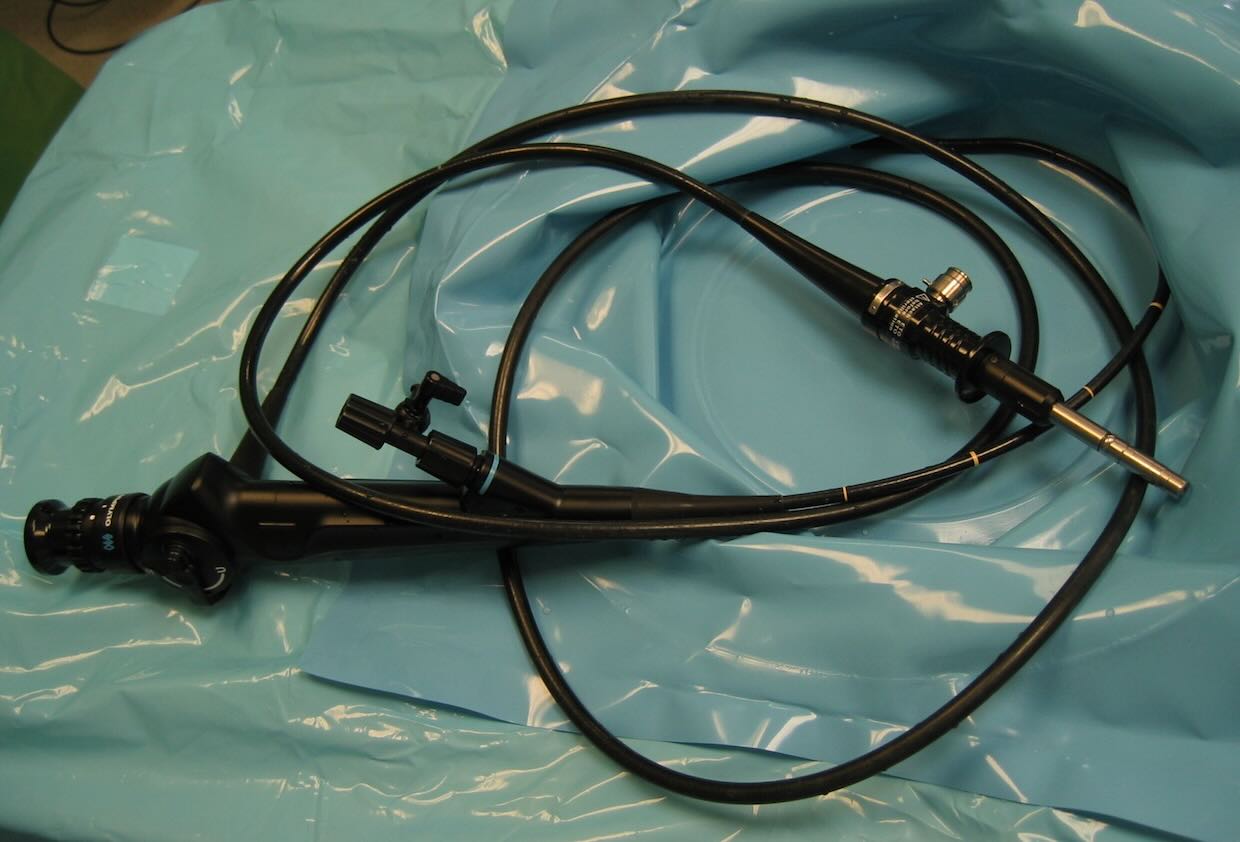
Our approach as urologists often involves procedures such as endoscopic stone removal, surgery for urinary tract blockages, circumcision, or prostate resection. We use minimally invasive techniques when possible, though sometimes more extensive operations are required.
Nephrologists, by contrast, focus on medical management and long-term monitoring. Their work often involves guiding patients with chronic kidney disease or other kidney related conditions, making careful adjustments to medications such as those for blood pressure or proteinuria, and deciding when dialysis is necessary.
While their methods differ from ours as surgeons, the care they provide complements what we do in practice.
There can be a lot of confusion around who manages certain kidney or urinary problems. Urologists treat conditions tied to anatomical or structural problems in the urinary system, such as kidney cancer, urologic causes of kidney failure (e.g., obstruction), benign prostatic hyperplasia, erectile dysfunction, stress urinary incontinence, prostate enlargement, and kidney stones, which all often require surgical procedures.
Nephrologists focus on managing diseases that affect kidney function, including polycystic kidney disease, chronic conditions, high blood pressure, and cases progressing to end stage kidney disease. They also manage systemic contributors such as diabetes, hypertension, and autoimmune disease. Their work involves tests like blood tests or kidney imaging tests and, when needed, guiding patients through dialysis treatments.
Our training begins with medical school, followed by a surgical residency in urology, which includes subspecialty exposure to oncology, reconstructive surgery, and minimally invasive techniques, so that we can confidently operate as surgeons.
Nephrologists begin with internal medicine training and then complete a fellowship in nephrology as their focus is entirely on medical management, including expertise in acid–base balance, electrolytes, hypertension, and renal replacement therapy.
These two paths lead to very different professional toolkits. Patients benefit from knowing that one physician is trained to operate and the other to manage systemic disease.
Both specialties converge around the kidney, but from different perspectives. We treat problems that require surgical correction: tumors, stones, obstructions, or anatomical defects, and we also manage the male reproductive system surgically.
Nephrologists manage how the kidneys function at a biochemical level. Through kidney function tests, they monitor filtration rates, assess lab work, look for any possible urinary tract infections, and decide when a patient needs dialysis.
This distinction explains why someone with a kidney stone comes to us first, but someone with chronic kidney disease sees a nephrologist.
Patients sometimes see both specialists in the same episode of care. A person with a large kidney stone, for example, will see us for surgical removal and afterward, a nephrologist may become involved to evaluate the metabolic reasons behind stone formation and advise on prevention.
Collaboration also occurs in transplant cases. We may address surgical complications, while nephrologists manage the transplant patient’s long-term medical care. Clear referral pathways mean that patients get the right intervention at the right time.
Understanding the difference between urology and nephrology helps patients know where to turn. At Uro Westmount, our expertise is in surgical treatment of urological conditions, from kidney stones to cancers and complex urinary issues.
If you are seeking urological care in Montreal, our team provides experienced, patient-focused treatment that addresses both routine and complex needs. To learn more or schedule a consultation, please contact us.
.svg)



![An image of a surgeon hard at work]](https://cdn.prod.website-files.com/67483f1fcd01f8280706faf1/69c44b40096c867f9f8c075d_an-image-of-a-surgeon-hard-at-work.jpeg)






.svg)
.svg)
.svg)