.svg)
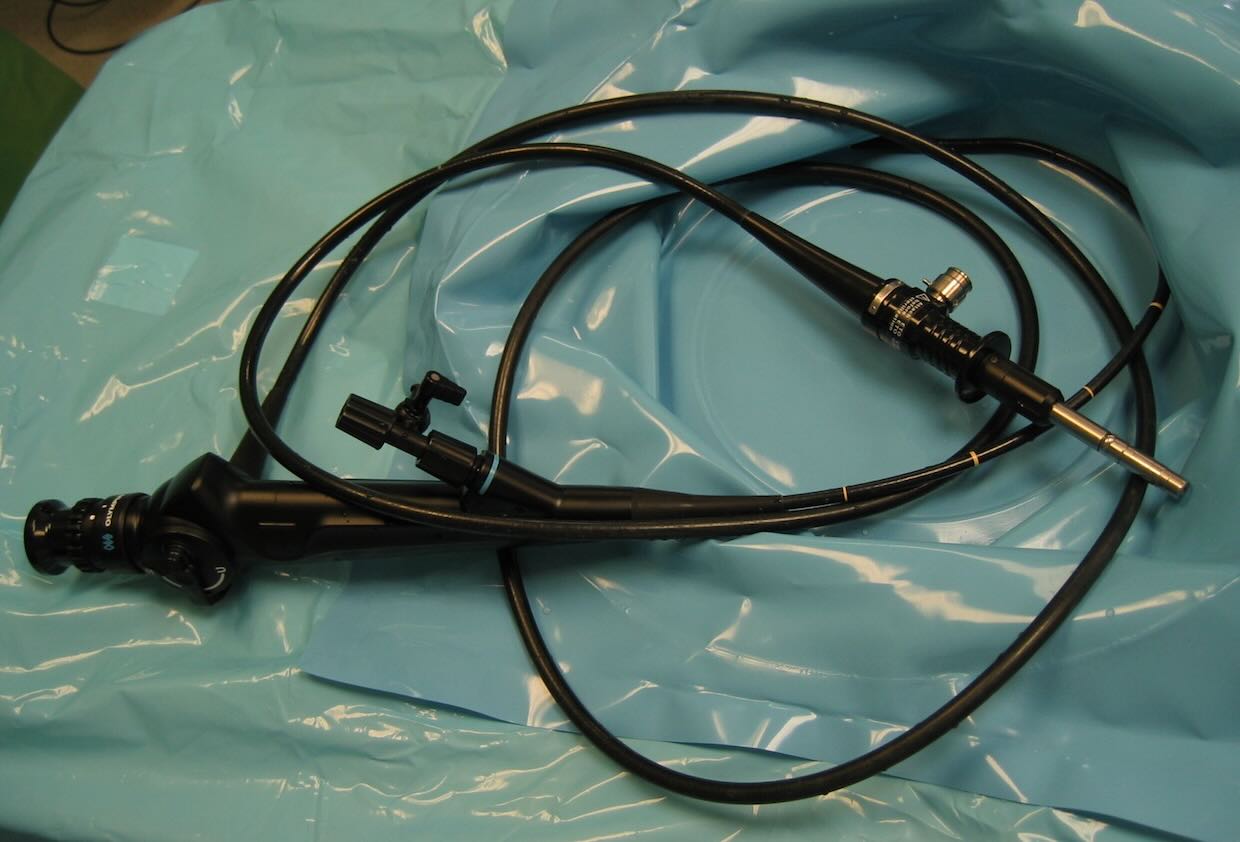


In urology, a cystoscopy is a diagnostic outpatient procedure that uses a cystoscope (a small camera on a thin tube) to look inside the urinary tract and bladder. This method of investigation is used to help diagnose different potential problems with the bladder and urinary system, including painful urination, bladder stones, or bleeding.
When urinary symptoms persist or tests leave questions unanswered, a cystoscopy allows urologists to examine the urinary tract in real time and gain clarity that imaging alone cannot provide (Canadian Urological Association, 2022).
Cystoscopy is an examination that allows us to see the urethra and bladder directly, observe the lining of the urinary tract in detail, and look for any abnormal tissue, bladder inflammation, blockages, or other urinary tract problems.
Urologists usually order a cystoscopy to investigate blood in the urine, frequent urinary tract infections, difficulty urinating, and, in some cases, enlarged prostate, or urinary incontinence. It’s also used to check for bladder stones, potential signs of bladder cancer, or structural problems.
For patients with unexplained symptoms, cystoscopy often provides the turning point that guides treatment.
The choice of instrument depends on what exactly it’s being used for. Flexible cystoscopes are slender and are usually used when we simply need to look inside in a clinic setting. They cause less discomfort and the examination is brief. Rigid cystoscopes are slightly wider and are used when intervention might be needed, such as removing a small sample of tissue from the bladder wall or treating abnormal areas around the bladder lining.
On the day of the procedure, the urethral opening is cleaned, and local anesthetic may be applied. The cystoscope is then advanced slowly into the bladder, and once the bladder is reached, sterile liquid is introduced so the walls can be inspected clearly, which allows us to examine the surface in detail and, when needed, to take samples. A cystoscopy is an outpatient procedure, and usually takes only a few minutes.
How you should prepare for your cystoscopy varies depending on anesthesia and the reason for the test. If sedation or general anesthesia is planned, fasting is usually required with no solid food for around 6 hours before the procedure. (Cleveland Clinic, 2024). On the day of the procedure we often request a urine sample to check for infection, and ask you to to empty your bladder before we begin. Patients are sometimes asked by their urologist to adjust medications, such as blood thinners, but only under clear medical direction.
Cystoscopy is generally safe, but it is not entirely free of side effects. Some patients notice a burning sensation when they urinate for the first time after the investigation, some also experience lower abdominal discomfort, or transient urinary frequency or light bleeding which may subside within a few days.. These issues usually settle quickly, but drinking extra water can help reduce irritation. More serious complications such as infection or heavy bleeding are uncommon, and they require immediate medical attention if you do notice heavy bleeding, newly persistent pain, or fever. In most cases, people can get back to their normal activities right away, unless a general anesthetic was used.
Our goal at Uro Westmount is to give patients clear answers and practical solutions, and cystoscopy is one of the tools that allows us to do that with confidence. For those living with ongoing urinary concerns, from recurrent infections to stress urinary incontinence, the procedure can be the step that leads to an accurate diagnosis and effective treatment. To learn more about our urology clinic in Montreal in Montreal or schedule a consultation, don’t hesitate to contact us.
.svg)



![An image of a surgeon hard at work]](https://cdn.prod.website-files.com/67483f1fcd01f8280706faf1/69c44b40096c867f9f8c075d_an-image-of-a-surgeon-hard-at-work.jpeg)





.svg)
.svg)
.svg)