.svg)
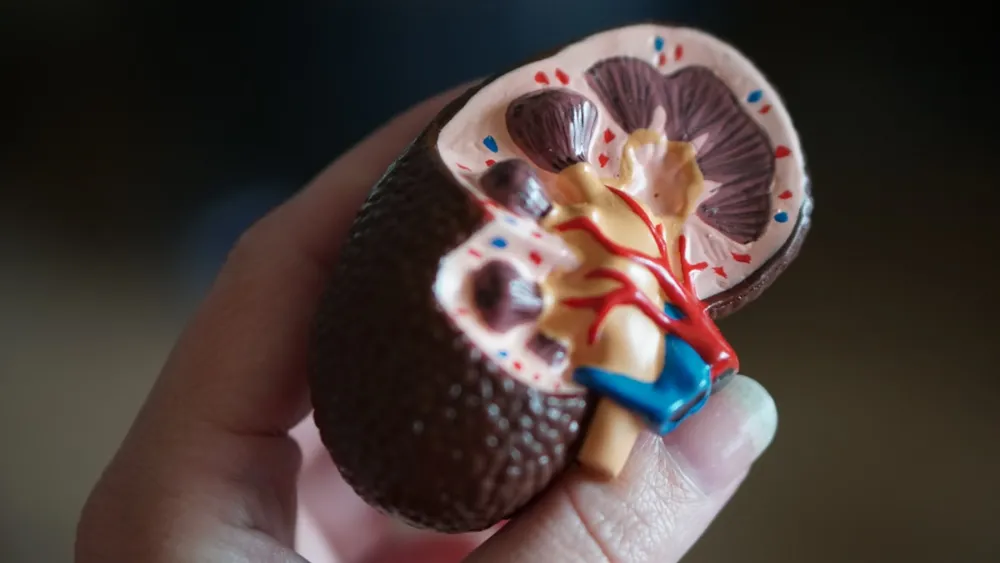


Kidney stones are solid mineral deposits that develop when substances dissolved in urine crystallize inside the kidney. As crystals accumulate, they can grow into stones of different sizes. Several types of stones are described in medical literature, including calcium oxalate kidney stones, calcium phosphate stones, uric acid stones, struvite (infection) stones, and cystine stones (Urology Care Foundation, 2024).
At our urology clinic in Montreal, kidney stones are a common reason people seek evaluation. Many patients want clear answers about how stones develop and what influences recurrence. Current research shows that stone formation reflects urine chemistry and the conditions that affect it, including hydration, diet, and certain metabolic factors (Rule et al., 2023; Jung et al., 2025). Understanding these mechanisms helps frame how we evaluate kidney stones and how prevention strategies are discussed in clinical care.
In our clinical practice, kidney stones are understood as the result of crystal formation within urine. Minerals such as calcium, oxalate, and uric acid normally remain dissolved in urine. When their concentration increases, microscopic crystals can form kidney stones.
Urine volume plays an important role in this process. Lower urine volume leads to higher mineral concentration and concentrated urine, which promotes crystallization. With time, crystals may bind together and form stones within the kidney (Urology Care Foundation, 2024).
Calcium stones remain the common type of kidney stones encountered in clinical practice. A stone may remain in the kidney with few symptoms. Pain often develops if a stone moves into the ureter, the tube connecting the kidney to the bladder within the urinary system. Movement through this narrow passage can irritate the urinary tract or obstruct urine flow.
When we review kidney stone history with patients, hydration habits are an important part of the discussion. Fluid intake influences urine concentration. Lower fluid intake produces less urine and can contribute to concentrated urine, which increases mineral concentration.
Clinical research consistently shows that producing enough urine lowers the concentration of stone forming substances associated with crystal formation (Rule et al., 2023). This relationship explains why staying hydrated and drinking can help when reviewing the risk factor profile for kidney stones.
Diet also affects several components of urine chemistry. A high sodium diet, or too much salt, is closely linked to increased calcium excretion in urine and higher urine calcium, which can contribute to calcium kidney stones.
A high protein diet can influence uric acid levels and urinary citrate levels. Urine citrate helps inhibit crystal formation.
Oxalate is another factor associated with calcium oxalate kidney stones. Foods such as spinach, nuts, and grains (such as wheat, bran, and quinoa) are high oxalate foods. In individuals who develop high urine oxalate, these compounds can participate in stone formation.
Kidney stones sometimes occur in the setting of underlying health conditions that affect urine chemistry. In our evaluations, hypercalciuria, which involves elevated calcium levels in urine, is one medical condition that may be identified.
Certain health problems also influence risk, including obesity and kidney stone disease.
Inherited conditions can contribute as well. Cystinuria is a genetic disorder that leads to increased urinary excretion of cystine, an amino acid that can crystallize in urine.
When discussing prevention, hydration is frequently addressed because of its effect on urine concentration. Producing enough fluids helps maintain urine dilution. Patients are often encouraged to drink plenty of water during the day to maintain their water intake.
Higher fluid intake increases urine volume and helps reduce the concentration of minerals involved in stone formation. Clinical guidance often refers to urine output targets around two to two and a half litres per day for individuals with a history of kidney stones (however, fluid intake needs to be higher than 2–2.5L to achieve that urine output target) (Rule et al., 2023).
In practice, drinking lots of fluids helps the kidneys replace fluids lost during daily activity.
Dietary patterns influence urine chemistry and are sometimes reviewed during consultations. Lower sodium intake may reduce urinary calcium levels.
Moderating animal protein intake may affect uric acid production and urinary citrate levels.
Maintaining appropriate calcium intake through food contributes to oxalate binding during digestion.
Eating calcium rich meals or taking calcium supplements (under guidance from your healthcare provider) can help calcium bind oxalate in the digestive tract and lower your risk. It’s important to note that calcium supplements only have this protective effect when taken with meals. Taken without, they may actually increase urinary calcium and stone risk.
When stone composition is known, dietary recommendations can be discussed in relation to the type of stone identified.
When kidney stones occur repeatedly, further evaluation can provide additional information. In our practice, imaging studies are used to identify stone size and location within the urinary tract.
Urine testing can measure mineral concentrations such as calcium, oxalate, uric acid, and citrate. Blood tests may identify metabolic factors that influence urine chemistry.
Kidney stones develop when minerals in urine crystallize and accumulate inside the kidney. Hydration, diet, and certain metabolic factors all influence this process. In our practice at Uro Westmount, evaluation focuses on confirming the presence of stones, identifying factors that may contribute to their formation, and discussing prevention strategies based on current medical evidence.
Symptoms such as sudden flank pain, blood in the urine, or repeated kidney stones often prompt further assessment. Diagnostic imaging and laboratory testing help clarify the cause and guide management. Patients who are experiencing symptoms or who would like to discuss prevention can contact our team to arrange an evaluation and review available care options at our Montreal urology clinic.
Jung, J., et al. (2025). Digital health strategies for kidney stone disease prevention and management. Journal of Medical Internet Research, 27(1), e66365. https://www.jmir.org/2025/1/e66365
Rule, A. D., Lieske, J. C., & Pais, V. M. (2023). Kidney stones: Pathogenesis and prevention. American Journal of Kidney Diseases. https://www.ajkd.org/article/S0272-6386(23)00670-4/fulltext
Urology Care Foundation. (2024). Kidney stones. https://www.urologyhealth.org/urology-a-z/k/kidney-stones
.svg)



![An image of a surgeon hard at work]](https://cdn.prod.website-files.com/67483f1fcd01f8280706faf1/69c44b40096c867f9f8c075d_an-image-of-a-surgeon-hard-at-work.jpeg)







.svg)
.svg)
.svg)