peyronies disease

Urology Cancer Treatments

Cancer treatments in urology involve surgical and medical interventions to remove or manage cancerous tissues in the kidney, bladder, prostate, and testicles. These treatments aim to eliminate cancer, reduce symptoms, and improve patient outcomes.

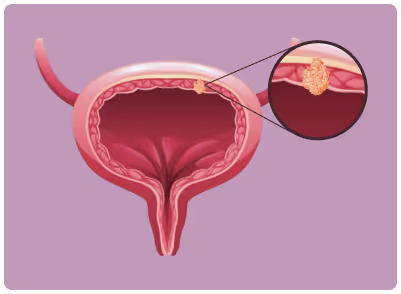
Illustration of bladder cancer.
urology cancer treatments

Main Types of Cancers

Kidney Cancer (Renal Cell Carcinoma)
Bladder Cancer
Prostate Cancer
Testicular Cancer

Symptoms

Kidney Cancer

Blood in urine, lower back pain, weight loss, fatigue.

Bladder Cancer

Blood in urine, frequent urination, pelvic pain.

Prostate Cancer

Difficulty urinating, blood in semen, erectile dysfunction.

Testicular Cancer

Lump or swelling in the testicle, discomfort in the scrotum.

Causes

Genetic Mutations

Changesin DNA leading to uncontrolled cell growth.

Environmental Factors

Exposure to certain chemicals or radiation.

Lifestyle Factors

Smoking, obesity, diet high in red meats.

Risk Factors

Family History

Higher risk if close relatives have had cancer.

Age

Increased risk with aging.

Smoking

Strong risk factor for bladder and kidney cancer.

Hormonal Factors

Influence the risk of prostate cancer.

Investigations

Doctor examing patient
Medical History and Physical Examination

To identify symptoms and risk factors.

Imaging Studies

CT scan, MRI, ultrasound to visualize tumors.

Biopsy: Removal of tissue samples for histological examination and classification.

Blood Tests: PSA for prostate cancer, markers for kidney and testicular cancer.

Management

Surgical Resections

Nephrectomy: Removal of the kidney or part of it for kidney cancer.

Cystectomy: Removal of the bladder for invasive bladder cancer.

Prostatectomy: Removal of the prostate gland for prostate cancer.

Orchiectomy: Removal of one or both testicles for testicular cancer.

Chemotherapy

Use of drugs to kill cancer cells.

Radiation Therapy

High-energy radiation to destroy cancer cells.

Immunotherapy

Boosting the immune system to fight cancer.

Targeted Therapy

Drugs targeting specific genetic mutations in cancer cells.

Dr. David Eiley

Need help with a diagnosis or urolithiasis treatment in Montreal? Schedule a Consultation

We are here to assist you with all your urological concerns. Once you have had your kidney stones diagnosed, the next step is choosing a management plan that balances relief of symptoms with long-term prevention. For some, this means having kidney stones treated surgically; for others, monitoring and lifestyle changes may be enough. At Uro Westmount, we provide careful guidance at each stage so patients can confidently make informed decisions.For transparent details about our services, please see our pricing.